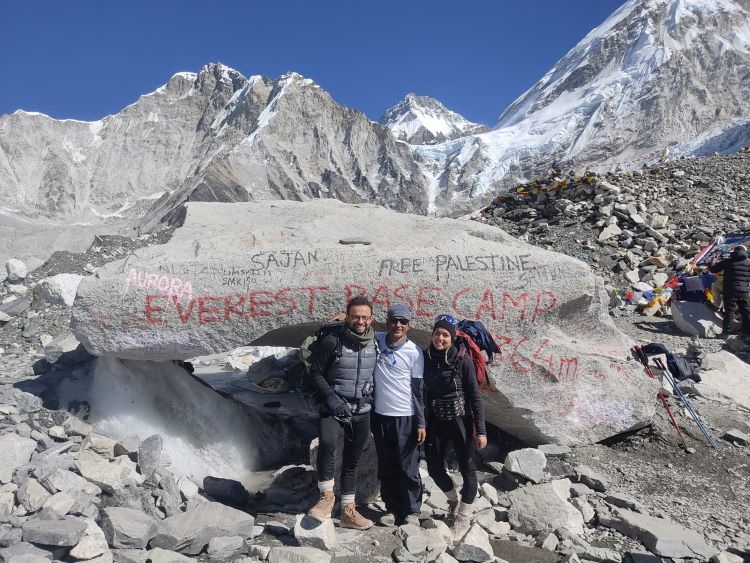
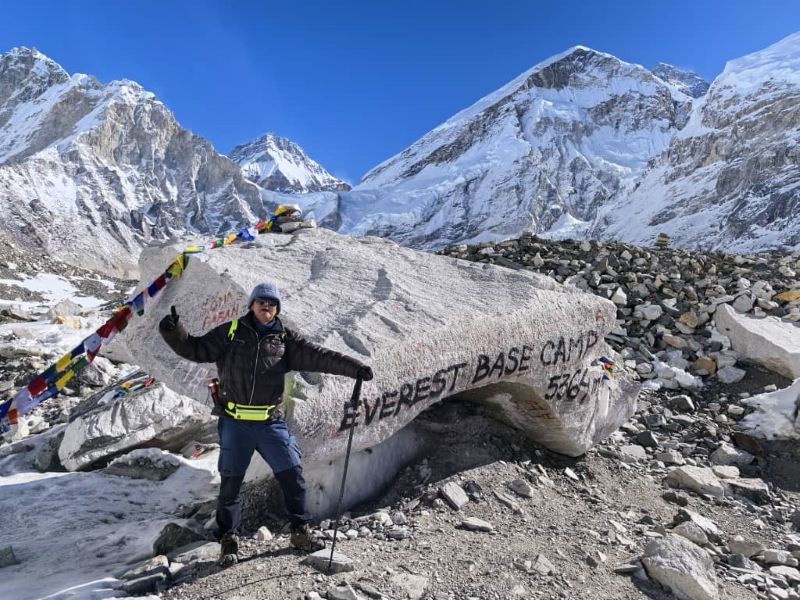
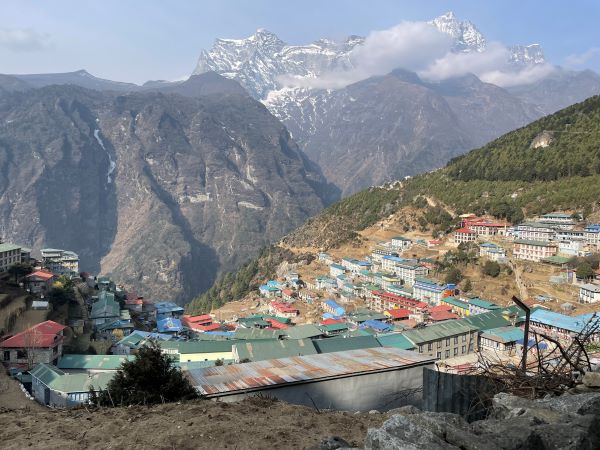
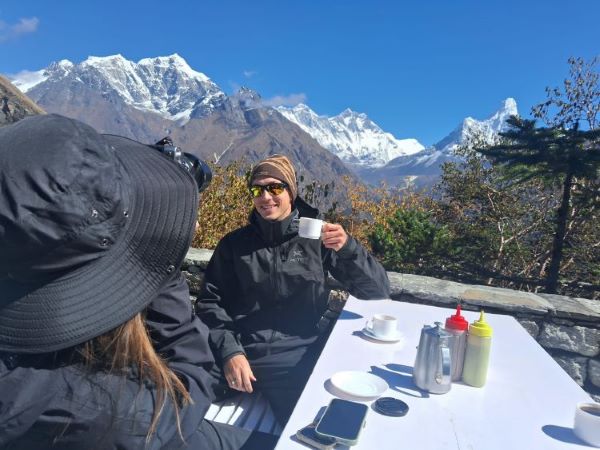
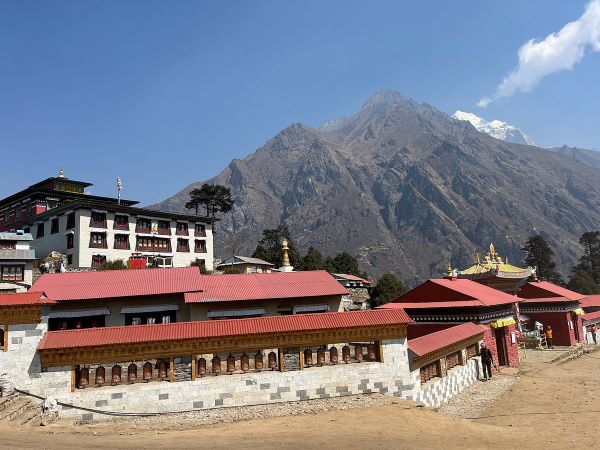
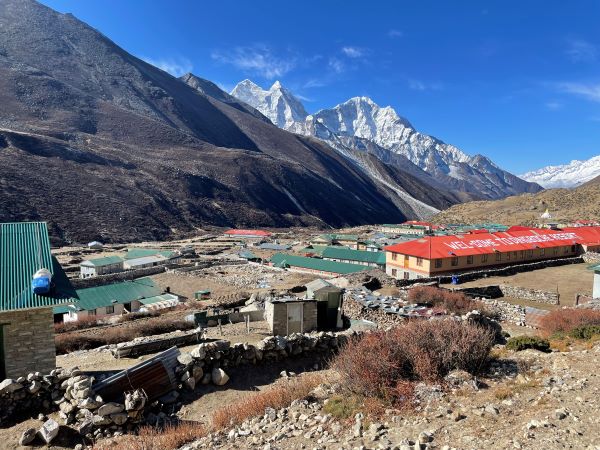
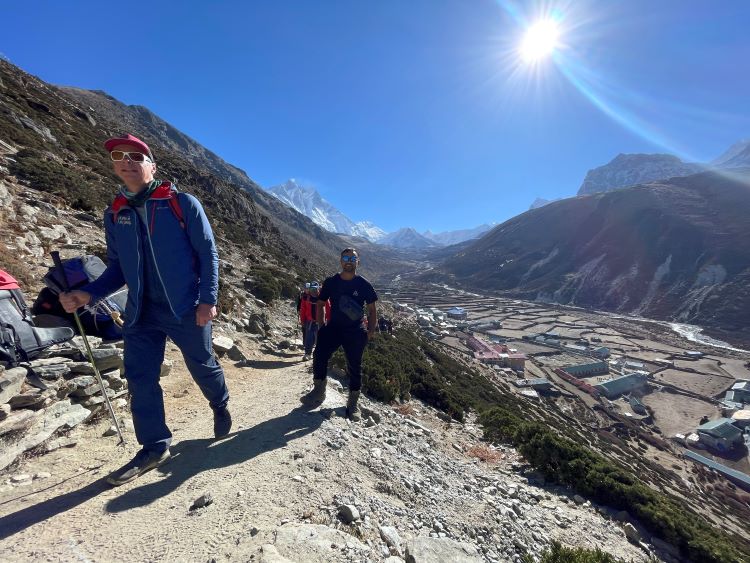
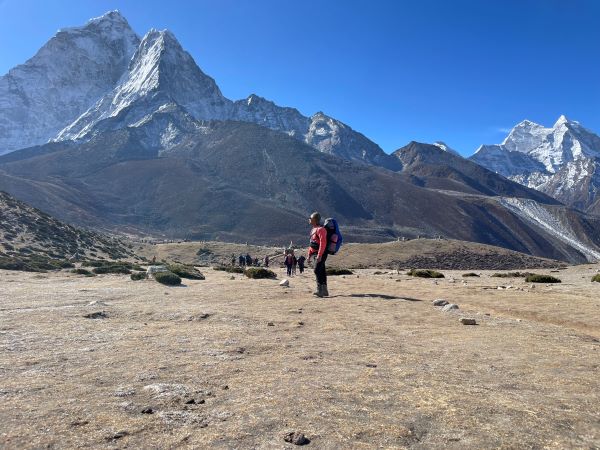
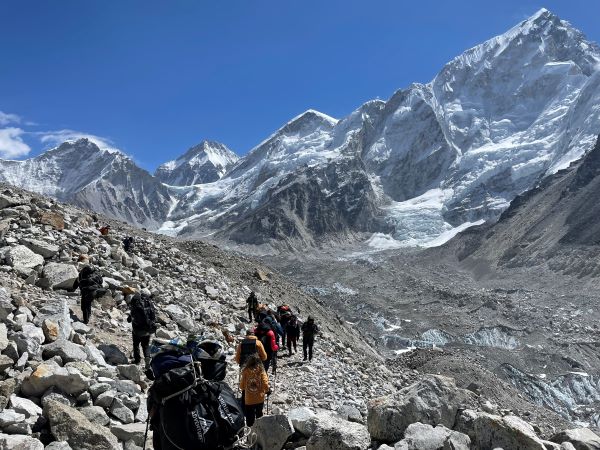
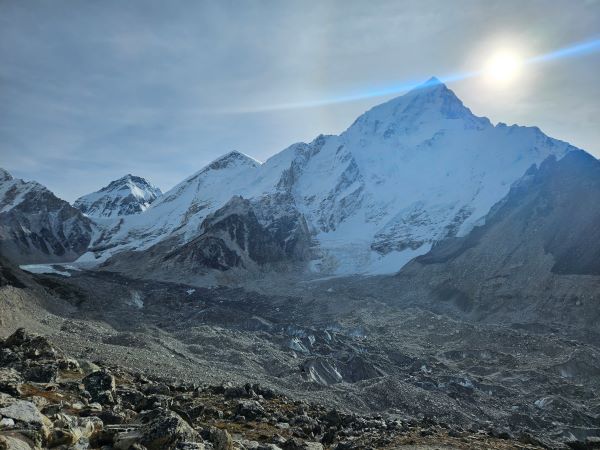
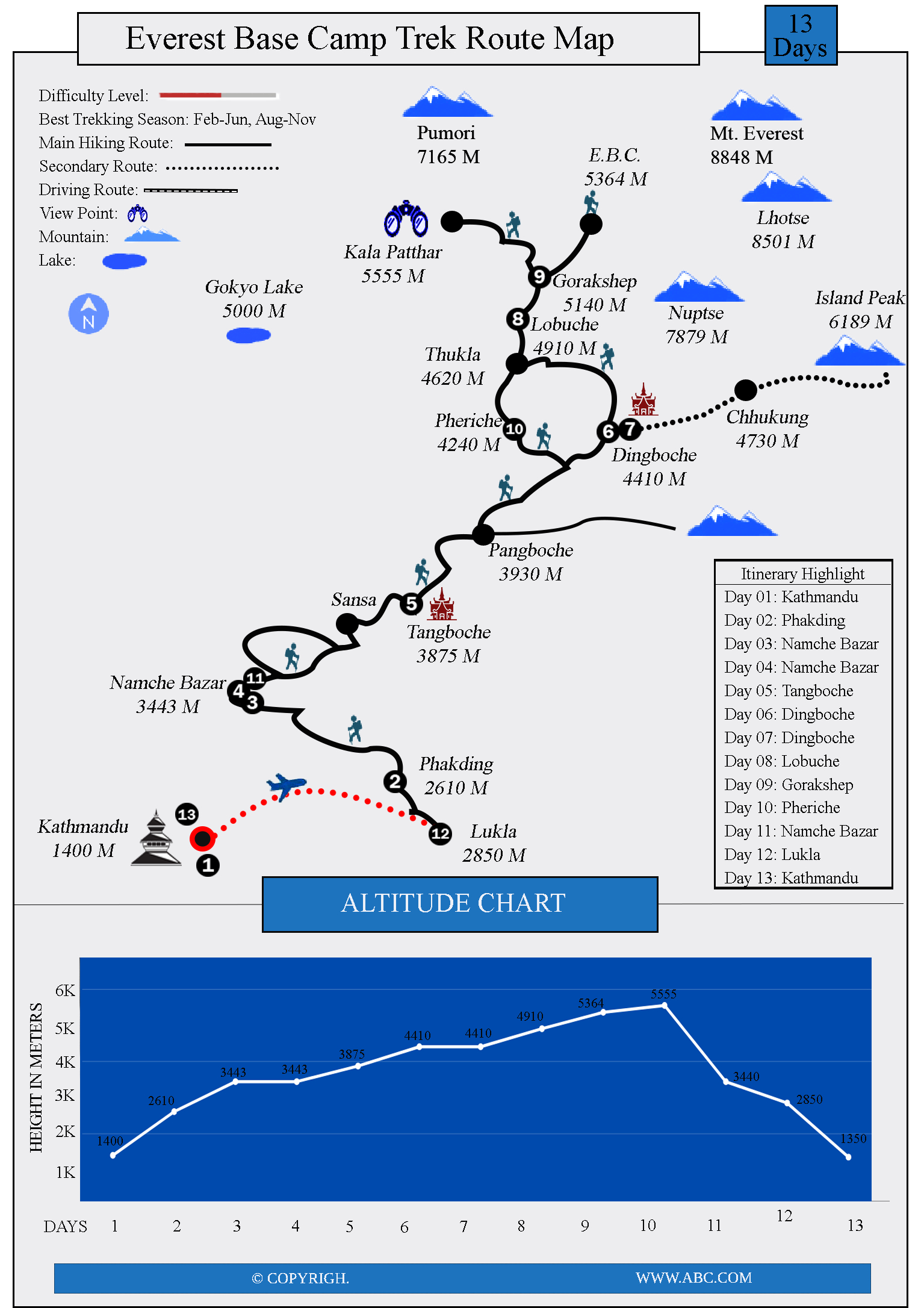
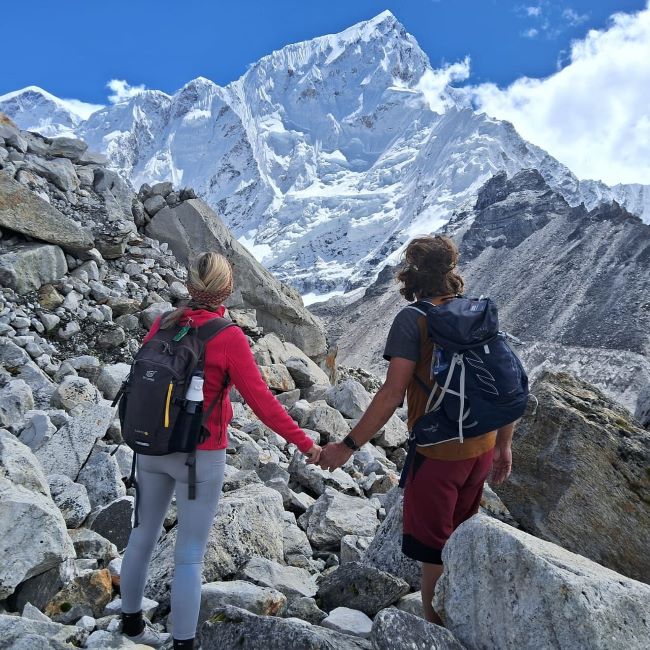
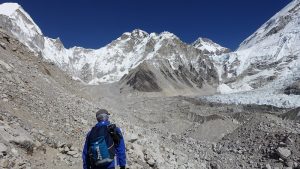
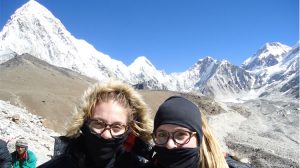
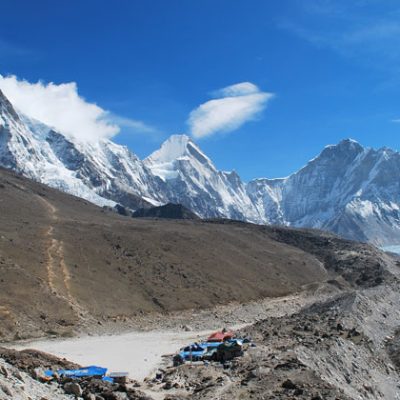
The Everest Base Camp Trek is a legendary journey to the foot of the planet’s highest peak Mount Everest (8,848 meters / 29,032 feet). It is known worldwide as one of the most breathtaking and adventurous trekking trails, The trek offers an amazing blend of the high-altitude trekking challenge, stunning mountain views and unique cultural heritage of the Sherpa people. This classic route guides you through the Khumbu region where you can see the magnificent views of mt Everest, Lhotse, Cho Oyu, Makalu and several Everest Himalayas.
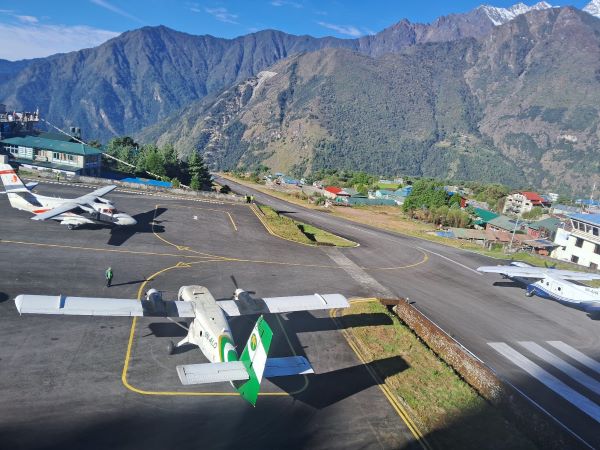
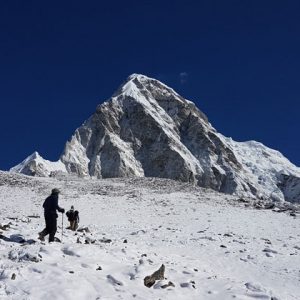
The EBC Trekking Trip begins with spectacular mountain flight from Kathmandu to Lukla which is the point where the high Himalayas begin. After that, following the well-maintained trail, you will pass through villages like takes to Phakding, Namche Bazaar, Dingboche, and Gorakshep to finally reaching Everest Base Camp. You will also ascend Kalapatthar (5,644.5 m), the best viewpoint of the Himalayas and the highest point of the EBC trail.
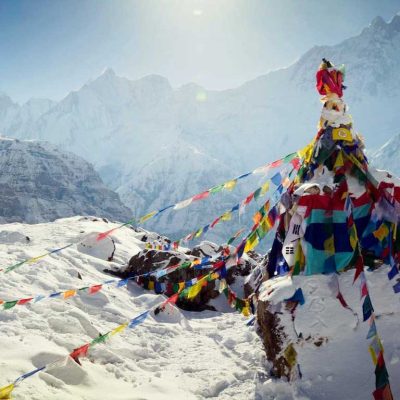
Along the Ways, you will Experience the Sherpa way of living and culture in traditional villages, ancient monasteries adorned with prayer flags, and massive mani walls which are signs of Buddhism’s stronghold in the area. The view changes drastically as you move up from dense woods and terraced fields to high meadows, valleys with glaciers and rugged ice wrapped alpine terrains. Overall, the hike is both visually stunning and culturally enriching.
The 15 day Everest Base Camp Trek is Best Itinerary for beginners and also for experience trekkers, Its Including arrival and departure day as well as two acclimatization days during the trek for safe altitude adjustment. Besides, there is one more buffer day after the trek to cater to flight delays due to bad weather. This well-balanced itinerary guarantees a slow and steady trek while relishing the picturesque series of landscapes and cultural richness of Khumbu.
If you are planning the Everest Base Camp trek, then AGH’s well-crafted itinerary is the one that gives you the right combination of adventure, cultural depth, and safety. With our effective acclimatization strategies and complete support throughout, your EBC journey is sure to be a memorable and transformative Himalayan experience.
Key Of Everest Base Camp Trek
Hiking to Base Camp of the World Highest Peak Mount Everest
Spectacular views of the mountain ranges such as Mt. Everest, Mt. Ama Dablam, Mt. Thamserku, Mt. Makalu, Mt. Lhotse, and many more.
Exploring the Sagarmatha National Park, UNESCO world heritage site.
Walking to Khumbu ice fall and glacier along the way to the Everest Base Camp.
Exploring the oldest monastery of the Everest region, Tengboche Monastery.
Exploring Sherpa communities.
Climb to Kala Patthar (5545 m) Overview of Mount Everest Sunrise and Sunset View
Adventure, Scenery and Cultural Highlights
The Everest Base Camp trek features a famous trekking path. It offers high altitude excitement, natural beauty and multiple cultural experiences.
Adventurers walk through suspension bridges, alpine passes, rugged trails and different types of terrain in order to reach their target. The journey provides challenges, tests your endurance and determination level, and rewards you with a profound sense of achievement.
On the way, you are treated to wide-ranging Himalayan views including Everest, Lhotse, Ama Dablam, Nuptse and more. Different elevation levels create distinct visual changes in form of terraced farms, rhododendron hills, glacial rivers, deep valleys and alpine forests.
The cultural aspects of this trek are shown by traditional Sherpa villages, ancient Buddhist monasteries, mani walls, prayer flags and local festivals. They demonstrate the spiritual heritage of Himalayan communities and the resilient way of living.
Everest Base Camp Trek Difficulty
Everest Base Camp Trek is Moderate difficult level, The maximum elevation is 5545 meter, The risk of altitude sickness is always present. If you are taking some medication, you should consult your doctor for advice for trekking in such high-altitude regions. A right level of fitness will make the trek pleasant and comfortable.
Trekking to Everest Base Camp is straightforward with a good and wide path, walking 6 or 7 hours each day from 7 am after breakfast till 3 or 4 pm. Anyone who is reasonably fit will be able to complete this trek. There are no specific exercises for the trek, but some cardiovascular training is always recommended. You should start cycling, hiking, swimming, climbing, or hill walking at least two weeks before the trek.
The trek has a complete itinerary of 15 days and is therefore fit for those who have a long holiday planned and want to trek at a leisurely pace. The long trekking days also ensure that all the trekkers are properly acclimatized and relaxed even with a long day of trekking.
Best Time to Trek Everest Base Camp
To Hike Everest Base Camp, the factor that matters the most for a safe and pleasant trip is timing. Adventure Great Himalaya highly recommends the spring or autumn months for your EBC adventure. These seasons provide the best weather and also the most ideal trail conditions in the Himalayas.
Spring Season (March to May)
The spring season attracts most of the trekkers to the Everest Base Camp area. The weather is delightful and the temperatures are moderate, thus everyone can comfortably take long hikes.
The paths are adorned with the blooms of rhododendrons and other wild flowers that create a splendid natural scenery. With clear skies and the surroundings with vibrant colors Spring gives an unparalleled and visually gratifying trekking experience.
Autumn Season (September to November)
Autumn is another magnificent period to get acquainted with the Everest region. Usually, the skies are bright and clear that revealing the most beautiful and unhindered views of the mountains. Likewise, the fresh and cool air at this time is a delight for trekking.
Besides, the season brings upon vibrant celebrations of cultural festivities. If you take the trek in October, you can be a part of the Mani Rimdu Festival. This 19-day Buddhist ritual is a glimpse into traditional dancing and the region’s rich heritage.
Avoiding the Summer (Monsoon) Season
Hike to Everest base camp possible in four season How Ever choosing the best time, We do not recommend in summer or monsoon season (June to August). The heavy showers may turn the paths into slippery and risky. Besides, the views of the mountains are often hidden by the clouds.
Anyway, if you have to travel in this period, Adventure Great Himalayas’ expert team member will create a customized EBC trip for you. It will be something that will fit the weather conditions and will keep you safe and entertained throughout.
Choosing the perfect time of the year for your Everest Base Camp hike ensures a secure, pleasant and extraordinary experience. Reach out to Adventure Great Himalaya to organize your trip and experience the Himalayan grandeur to the fullest.
Hotel In Kathmandu – Three night’s Hotel in Kathmandu with Breakfast
Meals On Trekking- 3 Meals a Day During the Trek (Breakfast, Lunch and Dinner)
Trekking Permit- Sagarmatha national park fees and Khumbu pasanglahmu Local tax .
Lukla flight Ticket – From Kathmandu to Lukla / Kathmandu . and also Ramechap to Lukla and Ramechhap in case flight divert
Accommodation In Trekking- Lodge to lodges Private Room Accommodation during the treks.
Trekking Guide: An experienced, helpful and Good English Speaking Guide,
Trekking Porter (1 porter for 2 Members). Limit weight is 18, 20 Kg- No Porter for Solo Trekkers
Guide Porter Travel insurance and equipment
Arrangement of Emergency Helicopter service which will be paid by your Travel insurance company.
Trekking Equipment: Sleeping bag, Down jacket and Walking poles ( refundable after the trek)
Adventure Certificate and Trekking map.
Company T-Shirt
Medical supplies (first aid kit will be available).
All government taxes.
Service charge.
What’s excluded
International Airfare and Nepal Visa Fees
Personal Travel Insurance and also rescue Evaluation Incas of Emergency .
All t Kinds of Drinks-
All the Bar bills and personal expenses (phone call, laundry service, Hot Shower, battery recharge etc
Accommodation with Private Bathroom in Trekking- USD 180 per person ( twin sharing)
Tips for the guide and porter.
More Information
EBC Trekking Required Permit & Regulation
Every visitor to the Everest Base Camp must receive two official permits. The first is the Khumbu Pasang Lhamu Rural Municipality Entry Permit, which is issued by the municipal office. The next is the Sagarmatha National Park Entry Permit which allows entry into the protected park area. The permits are issued for record keeping, trekkers’ safety, and managing the environment during the trekking period.
The Sagarmatha National Park Entry Permit costs about NPR 3,000 (approx. USD 25) for trekkers from abroad and NPR 1,500 (approx. USD 11) for SAARC nationals, including Indians. The Khumbu Pasang Lhamu Rural Municipality Entry Permit is charged $20 per trekker
It is crucial to have both permits with you at all times since they will be checked at different places along the trek like Lukla, Jorsalle, Namche Bazzar
EBC Trek -Daily Hiking Distance & length
Everest Base Camp Trek, one of the iconic treks in the world, is about 130 km long in total. That means while you trek toward Everest Base Camp, you will cover 65 km. And 65 km more while returning from Everest Base Camp. You must cover a 130 km distance to complete it, starting and ending at Lukla.
The Everest Base Camp Trek distance is easy, moderate, or difficult. It depends on your experience level and preparation. If you have been on similar treks in the Himalayas, the trek’s distance is okay.
However, it can be a bit demanding and massive for beginners. You have to cover a distance of 15 km per day on average. The trail is rough, rocky, steep, slippery, and sometimes descends. The conditions might slow you down. Otherwise, 15 km a day is relatively easy. You’ll have around 6-10 hours daily to cover that distance. Come well-prepared to cover an average of 15 km per day. And you will have a walk of life.
Maximum Elevation On EBC Trekking
The Everest Base Camp Trek involves extreme fluctuations of altitude. It starts in Kathmandu at 1,300 to 1,400 meters and ascends as far as Kala Patthar, 5,545 meters. Most of the trekkers begin at Lukla, 2,860 meters, and ascend progressively. Major way points along the trail are Namche Bazaar at 3,430 meters and Gorak Shep at 5,140 meters.
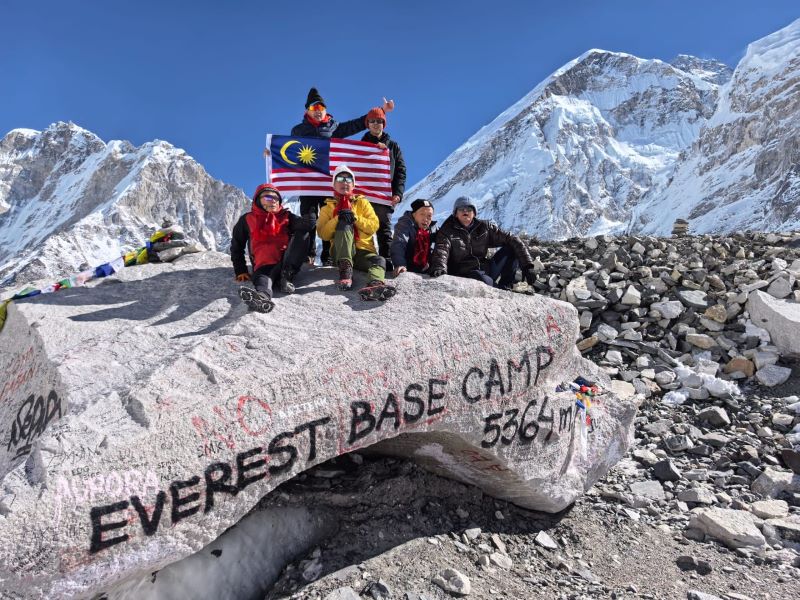
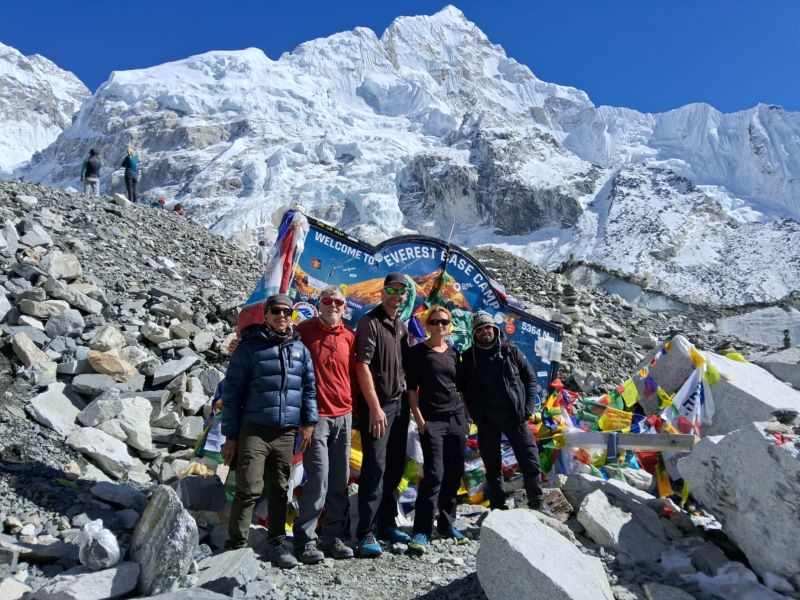
Everest Base Camp lies at 5,364 meters. The trek is designed to acclimate your body to the altitude. Daily ascents are normally 400 to 800 meters, but it’s better to stay below 500 meters a day to avoid the effects of altitude sickness. The final climb to Kala Patthar offers breathtaking panoramic views of the Himalayas at 5,545 meters, the highest point of your trek and one of the most memorable experiences of the trip.
Altitude Sickness & prevention
Typically, Trek to Everest takes you above 5000m elevation. So, altitude-related sickness is the most common problem you face during this journey.
Most travelers think AMS occurs when you travel above 3500 m, and this trip begins from 2800 m altitude. So, the chances of altitude sickness are high during Everest Base Camp Tour.
Headache, vomiting, nausea, dizziness, shortness of breath are some of the usual signs of altitude-related sickness. If you start to detect any of the symptoms, inform your guide and follow their instructions.
When suffering from AMS, do not continue the trek; instead, stay in the same destination or head to lower areas.
Trekking to Everest Base Camp is not an easy journey, but with some tips, you can make it a bit easier:
Do not consume alcohol or smoke cigarettes
Avoid eating meats in this trek as they are not fresh and hygienic.
Keep yourself hydrated by drinking 3 to 4 liters of water each day.
Walk slow and steady while covering 10 to 15 km each day.
Acclimatization In Namche & Dingboche Village
The Everest Base Camp trek requires trekkers to undergo precise acclimatization procedures to avoid the effects of high altitude to your safety and enjoyment. The trek becomes challenging and even impossible if you ascend too fast or fail to follow the effective acclimatization process.
The possibility of altitude sickness increases once crossing the altitudes of 2,500 or 3,000 m. So, acclimatization day is crucial to adapt and prepare youserlf to go to the high altitude regions safely. The core idea is climb high, sleep low. This lets your body gradually develop acclimatization to decreased oxygen levels of increasing elevations.
The 15 days EBC trek schedule includes two dedicated acclimatization days at Namche Bazaar (3,440 m) and Dingboche (4,410 m). The trekkers spend these days hiking to nearby viewpoints and villages like Hotel Everest View or Thame and Nagarjun Hill to help their bodies adapt while they enjoy the stunning Himalayan view.
These planned days minimize the risk of altitude sickness while you discover Sherpa culture, observe mountain landscapes and visit local temples, which enhances both safety and trekking experience.
Accommodation During EBC Trekking
Accommodation on the Everest Base Camp trek has something for every budget. The most common choice is basic teahouses. There are unadorned rooms with two beds, a pillow cover, and a blanket. These rooms cost between $10 and $15 per night. For a good stay, one can opt for luxury options. It generally costs between $50 and $300 per night. Such options include electric blankets, private baths with extra space.
But wherever you sleep, prepare for basic facilities and little heat. While teahouses provide a minimum level of comfort, the luxury teahouses help provide more privacy and heat. Basic lodging is ideal if you don’t mind, great for those who are trying to cut costs. Whether you’re on a tight budget or prefer extra comfort, there’s something for everyone on the trail.
Toiletry and Hot Shower
On the Everest Base Camp trek, you will experience luxury and basic facilities at the same time. In lower towns like Namche Bazaar and Dingboche, you will enjoy western toilets, which are normally in your room. Higher to destinations like Lobuche and Gorakshep, you will encounter more basic squat toilets. Hot showers extend as far as Dingboche with a price of $5 to $6 for a tap shower.
The bucket showers are the norm Beyond Dingboche cost approximately $10 due to there being little plumbing. Where you find over 5,000 meters, teahouses generally don’t have tap showers. You will have to make do with shared, freestanding toilets instead. It is advisable to bring your own toilet paper and hand sanitizer as well, since these hygiene products are necessary where it is difficult and far off in the trek. That balance of comfort and simplicity is part of the unique Everest trekking experience.
Meals During the EBC Trek
You’ll enjoy carb-loaded meals to keep you going on your trek. Classic Nepalese dishes like dal bhat (lentil stew, rice, and vegetables) or more Western favorites like pasta, pizza, and sandwiches are available. Thukpa (noodle soup) and momos (dumplings) are popular local dishes, while pancakes, porridge, and eggs for breakfast are common at teahouses.
You’ll also encounter Chauhan Pizza (more commonly with cheese or mushrooms) and fried rice on menus. The farther you go up, the more expensive, expect $8 to $10 per serving in lower villages and $10 to $15 higher up. Portions are huge, eat thoughtfully. Waste is taboo as ingredients have been brought in on yak, porter, or helicopter across tough ground. Stay with established standbys like dal bhat for reliable energy.
Drinking Water
Hydration during the Everest Base Camp trekking is important but do not drink tap water directly. When refilling at streams or taps, always use purification tablets because drinking untreated water will sicken you. The safest option is to buy boiled water at teahouses and it costs approximately $4 per liter.
Bottled water is also an option for between $3 and $5 per liter, but with altitude, the price increases. For the convenience of not letting plastic waste gather, it is advisable to drink boiled water or carry your purification gear along. Make arrangements for having your supply of water clean and consistent for your trek. Keeping in mind staying hydrated will make your trek safe and pleasant.
Hot Drinks
Hot drinks are a daily essential on the Everest Base Camp Trek. They keep one warm and energized as the temperature drops. Teahouses along the route have several options, ranging from black tea, milk tea, masala tea, lemon tea, mint tea, to green tea. Coffee is always available, normally instant but sometimes freshly brewed.
For sweet-toothed trekkers, hot chocolate is a great option. Such beverages range from $2 to $5 in lower regions and reach $5 to $7 at higher altitudes because of the difficulty in transporting supplies. After a day’s trekking, a hot drink is a soothing and welcome ritual.
Cold Drinks / Bar Drinks
On the Everest Base Camp Trek, you can get a range of cold and bar drinks at teahouses along the trek. If you want a fizzy soda or lemon beverage, you can expect to pay around $4 to $5 for a 600ml bottle. Coke and Sprite are available, but the price increases as you ascend in altitude. Beer is also a favorite, and you can get it for around $7 to $8 for a 500ml bottle.
For something a bit more potent, imported whisky and other liquor come between $10 to $40 for a 180ml pour. Local wines are a cheaper alternative, costing between $2 and $3 per glass. Do keep in mind, though, that alcohol makes altitude sickness worse, so try to consume it moderately. As much as it is tempting to go all out, do remember that it’s also necessary to keep yourself hydrated with water.
What You Should Know Before Hike Everest Base Camp?
Select a good guide who will save you from danger during the trek. The path is trained to respond to emergencies and to know and guide you in the right direction.
Travel Insurance will cover evacuation up to 5000 meters. Ensuring your travel insurance is important to require medical treatment at higher altitudes.
Pack proper clothing and gear for the trek, along with essentials like a first aid kit, sunscreen, and any medications you might need.
Start training before your trek by building your body to become stronger and focus on stamina to trek comfortably and with enjoyment.
Drinking 2 to 3 liters a day of water by drinking plenty of water prevents altitude sickness and keeps you at your energy level.
Let yaks and mules pass with loads, by must pass when you encounter them. Step over to the trail side and allow them to pass safely.
Don’t push yourself, but be aware of your body if you are ill or are very tired to and stop to inform your guide.
Lukla Flight Cancellation & Diversion
When you are Trekking to Everest Base Camp, be prepared for a major change: flights to Lukla are no longer direct In Peak Season ( The month of October, November and March April) but are now routed via Ramechhap, a tiny airport about 140 km from Kathmandu. This change will continue throughout the Peak season. The drive from Kathmandu to Ramechhap takes about five hours, and the return trip could take longer based on traffic.
This means an early departure and a bit of extra travel time won’t affect your trekking schedule or the experience that lies ahead. This detour is experienced by all trekkers, regardless of the tour company or flight. If bad weather delays flights from Ramechhap, helicopter service can be organized. Even with this change, a team member will still be present in Ramechhap to assist and arrange your transportation to the Lukla flight.
Flights to Lukla can get canceled during bad weather conditions. However, there is an alternative option available. Helicopter rides are available for those who need to reach Lukla urgently. The cost for a helicopter ride generally ranges between $600 to $700. While this is more expensive, it ensures a direct and reliable route. When flights are not possible due to weather disruptions.
What You Should Not Do While EBC Trek?
Respecting locals in such locations is the support system of the trekking activity. Always be kind and courteous to them.
Donot bargain for meals and accommodation, as it is seen as rude while negotiating for food and accommodation in trekking locations. Prices are usually reasonable at it’s best to accept them as is.
Don’t waste food is a valuable resource in remote areas where it is always takes what you can eat supply and you never waste anything. This is a sign of respect for the people and their resources.
Have patience for delayed flights, as they may be delayed due to weather or other factors. Be patient, and instead of getting angry, as flight delays are common in such areas.
Dress decently and avoid wearing bikinis or short clothes, which are considered disrespectful, especially in conservative areas. Be respectful of local culture and tradition.
Ask for permission before you take pictures, as not everyone may wish to have their picture taken. Always ask first before you take a picture, especially with the locals.
Eat at the lodge, you stay as you eat outside your lodge. You may be fined $40 to $50. Stick with the lodge meals to avoid being fined.
Do not cook in your room, as it is forbidden to cook within your room in most lodges. Obey the laws for a trouble-free experience.
Everest Base Camp Trek Routes & Choices
There are generally two trekking routes for the Mount Everest Base Camp Trek, The One is start from lukla after flight from Kathmandu and another is Traditional route, The traditional trekking route to the base camp used to start from Jiri; however, for a more convenient approach, the start point in an alternative trekking route has been moved to Phaplu.
You will be able to drive directly to Phaplu from Kathmandu and follow the gradually ascending route to join the mainstream route at Lukla.
Hike On EBC & Return With Helicopter
If you are looking for a more comfortable trekking experience in this exhilarating trekking to Everest Base Camp, Adventure Great Himalaya also offers the 11 Day Everest Base Camp Trek Return by Helicopter.
This exciting trekking package follows the same mainstream trekking route of the general Mount Everest Base Camp Trek. Starting your trek after the Kathmandu to Lukla flight, you will trek through charming Himalayan settlements of Phakding, Namche, Khumjung, Tengboche, Dingboche, Lobuche, and Gorakshep before finally reaching the base camp.
Then, after hiking to Kalapatthar, you will take a helicopter flight back to Kathmandu, enjoying the incredible views of the Himalayan vistas. This exciting helicopter return package for Mount Everest Base Camp Trek is ideal for trekkers who are doing the exploration on a time limit.
As the helicopter return cuts off the return trek to Lukla for the flight back to Kathmandu, the difficulty level also significantly decreases. So, even trekkers who are concerned about the difficulty factors can take part in this exploration without the need to worry about the physical demand in the long haul.
Explore More Routes to Everest Base Camp
Mount Everest Base Camp Trek is, without a doubt, one of the most remarkable and popular Himalayan trekking adventures. What makes the experience even more enticing is that there are several ways to trek to this popular base camp, which also includes the explorations of the popular highlights in the surrounding region.
We also customize the single highlight exploration packages like Gokyo Lake Trekking or just a simple 7 Day Everest View Trek that doesn’t take you to the high elevation points of the region.
However, the trekking packages are not all that we offer; we also oversee the climbing peak adventures in the region that you can add to your trekking adventure. Some of our most popular trekking peak expeditions in the 6,000-meter class inside the Everest region are:
The Cost Of Everest Base Camp Trek depend on travel season, group size and level of service you Choose, Generally In 2026 , The trip packages Cost from US$ 1,250 to 1650 for 15 days Package.
Adventure Great Himalaya offers 15 Days Everest Base Camp Package which cost just US$ 1350 per person for 2 people private guided tour, It is standard package Inclusive almost everything from arrival to departure. we also offer discounted rate for group bookings for your hike to Everest Base Camp. You can book the trek at just US$ 1300 if your group has 4 to 8 people.and if the group is even larger, with approx. 9 to 12 people, the package will cost only US$ 1,280.
If you want to add more luxurious amenities to your exploration, like our Everest Base Camp Luxury Trek, the cost can rise even higher.
Group Price for 15 Days Everest Base camp Trek
1 People
USD 1650
2 – 3 People
USD 1300 Per person
4 -8 People
USD 1280 Per person
9-13 People
USD 1250 Per person
Why EBC Trek With Adventure Great Himalaya ?
Adventure Great Himalaya Is one of the well-know Everest base camp Trek Agency in Nepal, The Agency has been leading the Nepali trekking market as an expert for over a decade and houses expertise with over two decades of experience. In terms of quality of services and amenities, comfort, safety, and best value experience, you will be a leap ahead of other trekkers.
Experienced guides and reliable porters make every trek safe, enjoyable and unforgettable at AGH. The company offers easy and smooth flight arrangements to and from Lukla, making your journey to the Himalayas hassle-free.
The number one priority is the journeys to the Everest Base Camp. We have a deep knowledge and a strong devotion to making the best EBC experience possible. Adventure Great Himalaya is indeed the best option if you are seeking a reliable, professional and well coordinated team for your Everest Base Camp adventure.
We are also an authentic Nepal-based trekking company and have been collaborating with the local experts of the region to add more enrich your overall experience. If you are planning to book the trek from foreign trekking companies, they don’t have the permit to organize the trip on their own and have to book services with a government-licensed company in Nepal.
So, you will only be paying the extra intermediaries fees for the same packages. Booking our services will ensure that you won’t need to pay any extra commission to a third party and will be able to enjoy an incredible excursion at the best-value cost.
Benefits of Hiring of Great Adventure Himalaya
Trek packages designed to emphasize the utmost safety and comfort of the trekkers
Best value price in the market
Expert guides, government-licensed and with relevant number of experience
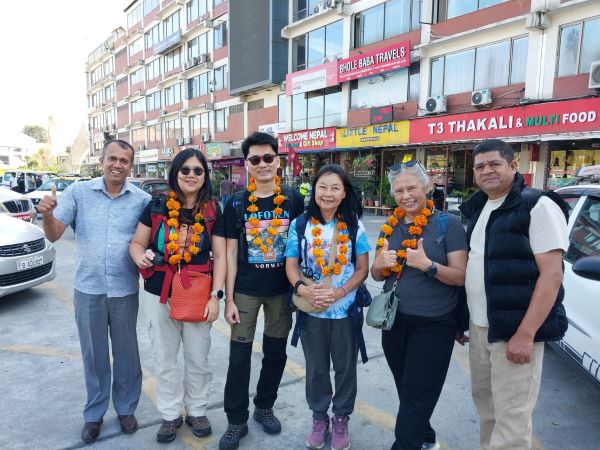
Free airport pick-up and drop-off facilities
Arrangement of sleeping bag and down jacket if necessary
Free porter with 15kg weight limit per trekker
Small group sizes allocation for a more immersive experience
Customizable itinerary plans befitting your needs
Transparent pricing and an extensive set of inclusions
24/7 available customer service and flexibility in itinerary adjustments
Operation at a wide range of destinations
Post trekking support
Authentic testimonials and positive reviews
Is Travel Insurance Mandatory?
Travel Insurance is mandatory if you want to begin your Everest Base Camp Trek. It is because no one can predict what mishaps can happen in the mountains, so having insurance covers these issues.
While choosing a company, make sure their plan covers all medical and travel problems like altitude sickness, emergency rescue, sprained ankle, and more. The insurance plan should be able to give you facilities like helicopter rescue, clinical attention, air ambulance, and so on.
Most importantly, many insurance companies do not cover treks above 4000 m, so make sure your cover trips above 5000 m altitude. With travel insurance, you can complete your expedition with no worries.
Book with Confidence
Book this 15 Days Everest Base Camp trip with Adventure Great Himalaya Treks and Expedition is a wonderful way to experience the magnificence of the Everest region without the need to stress around anything. We will take care of everything from the day by day well-being check-ups to see how well you are acclimatizing and trip security to the calculated subtle elements like nourishment, settlement, permits, and transport. As an industry-leading master with over a decade of experience, we ensure an important, comfortable, and secure trekking encounter.
Everest Base camp Trek- delivered with love, kindness, and caring
The entire experience, from the initial contact to the departure from.Katmandu, was enjoyable, friction free, and devoid of stress or worry. The EBC trek was an amalgamation of vision quest,…
The entire experience, from the initial contact to the departure from.Katmandu, was enjoyable, friction free, and devoid of stress or worry. The EBC trek was an amalgamation of vision quest, cultural immersion, intensive fitness fun, splendid views, communing with nature,and light-hearted banter. Chrisna was informative, kind, compassionate, flexible, caring, motivational, and a blast to hang with. He always provided options, was persistently positive,and continually attended to our needs and desires.
Bemba, the porter, was attentive, humble, and reliable. Natali and I wish him the best on his mission to summit Everest in 2025 ! I am sure he will conquer the mountain effortlessly. Everyone at Adventure Great Himalaya, from Babu (owner) to the office staff, were helpful, candid, and good-natured.
The experience exceeded all of our expectations. It was an ineffable, surreal epic endeavor. We will be back for another adventure in Nepal with Adventure Great Himalaya with friends in tow. I highly recommend using this locally owned and operated company. It is a tradegy that 90% of EBC treks are completed using entities owned and operated outside of Nepal. Go with Adventure Great Himalaya to support local businesses, have more fun, receive personalized service, and even save some money.
This was absolutely the most amazing trip. Adventure Great Himalaya took care of me from the time I landed in Kathmandu until I flew home. They are very knowledgeable about…
This was absolutely the most amazing trip. Adventure Great Himalaya took care of me from the time I landed in Kathmandu until I flew home. They are very knowledgeable about the city and the mountains and treat their guests like family. I’m hoping to go back in a couple of years and do another of their treks. I absolutely recommend using them for your next Himalaya adventure! Love this company!!
Trekking to Kala Patthar EBC with best Trekking Agency in Nepal
I just came back from an amazing experience i had with Adventure Great Himalaya and their guide Nabin. Everything was perfect, i cant think of anything which wasnt. All the…
I just came back from an amazing experience i had with Adventure Great Himalaya and their guide Nabin.
Everything was perfect, i cant think of anything which wasnt.
All the lodges, the food, the service while organizing the whole trip via email , the service provided by nabin during trekking, everything was brilliant.
I was trekking on the EBC trek to kala patthar which is summited, it has been an adventure of a lifetime and i can highly recommend adventure great himalaya, which is a highly professional, very fair and honest company.
100% Support!
And if you ever end up in the office of Mr. Karki , try the Masala Tea from next door, its probably the best in Nepal !
Trekking to Everest Base Camp was my lifetime ambitious. I fulfilled it in October 2011. It is my lifetime experience and my life’s most memorable moment. The moment I reached…
Trekking to Everest Base Camp was my lifetime ambitious. I fulfilled it in October 2011. It is my lifetime experience and my life’s most memorable moment. The moment I reached the Everest base camp and the top of Kala Patthar was really awesome. It was like you were on the top of the world….well, not quite, but the sense of achievement you felt was beyond words. All these would not make possible without Adventure Great Himalaya Trek & Expedition (P) Ltd. Thanks to Mr. Babu (Managing Director of Adventure Great Himalaya).
I traveled alone and joined with a group of 15 trekkers from UK. I felt very comfortable with the group I went with. They were friendly and not to mentioned very funny as well. We turned into friends almost instantly. There were a lot of fun traveling with them and I am glad to have their company on my trip.
Our trek was fantastic. Everything was very well organized. Even when we had bad weather in Lukla and could not fly back to Kathmandu, the tour guide and the Trekking company managed to rearrange everything and we flew back to Kathmandu next morning.
On our trek, breakfast, lunch and dinner were very well served. We chose what we want from the menu. Food was fantastic and cooked in “clean” and “safe” kitchens. Adventure Great Himalaya provides us with great porters and lovely guides. Guides are very knowledgeable and have great experience in the Himalaya region. They were friendly , spoke good English and great singers as well. They always made sure that we got the best rooms in the lodge. Every night after dinner, we were brief by guides on the journey ahead next day. I personally found this very useful and communicative.
In Himalaya region, everywhere you look, there is great view. The astonish view is way beyond words could description. The sheer size of the mountains and valleys is something I have never experienced. Thanks to Adventure Great Himalaya for making my EBC trek a wonderful and memorable experience. If I decide to go back for another adventure in Nepal, I will definitely go with Adventure Great Himalaya. NAMASTE.
This trip from start to finish was an absolute adventure. I arrived later than I thought I would in Kathmandu and Great adventure Himalaya made it accommodating for me. Well,…
This trip from start to finish was an absolute adventure. I arrived later than I thought I would in Kathmandu and Great adventure Himalaya made it accommodating for me. Well, we started off from Kathmandu and met our Guide Santosh(amazing guide from start to finish) and got to the airport and flew to Lukla. From there the trekking began. My friend and I are fast hikers and made up incredible time. Santosh, our guide, really took amazing care of my friend and I. The price we paid was one of the best you’ll find out there. If your thinking about doing this without a guide, that would be stupid. 2 people died on the trail who didn’t have guides while we were there. Plus it was a lot of fun with ours.
This is a trip I will remember for the rest of my life.
I did the E.B.C trekking with this company in March 2017. This is Very good company for Everest Base camp Trek. The Company professional, helpful and approachable. I booked the…
I did the E.B.C trekking with this company in March 2017. This is Very good company for Everest Base camp Trek. The Company professional, helpful and approachable. I booked the trek as a solo female traveler. I felt safe throughout my time with the company. The trek was amazing, a once in a lifetime must do trek. I was provided with a guide and a porter by the company, both of whom were professional and very helpful. The trek its self was medium to hard and tiring of course but worth it! The scenery is just amazing no words can describe it. All the arrangements were made by the company, hotel stays, return flights from KTM to Lulka, all food and drinks during the trek. I hope to book another trek with the company in the future. A dream come true thank Adventure Great Himalaya.
This is my second time engaged Adventure Great Himalaya for my trekking in Nepal, first in ABC and this time is Everest Base Camp Trek. The company owner, Mr. Babu…
This is my second time engaged Adventure Great Himalaya for my trekking in Nepal, first in ABC and this time is Everest Base Camp Trek.
The company owner, Mr. Babu Karki, is a helpful and kind person, he will answer to all of your enquiry before you depart from your home country. His arrangement of the trip is perfect, immediately after you stepped out from the arrival hall of airport, his staff will be there waiting for you. During the trekking day, he will always keep in touch with the guide to ensure the condition and progress of the guest.
Mr Babu has very high requirement of the guides he employed, the guide that I got for this 15 days, Kirshna, is very professional and experienced. He is very familiar with EBC route, he knows exactly how long to take to reach to next pit stop. He even become the pace maker for us, he adjusted the trekking pace based on my physical condition, this is really helpful and I barely feel any tiredness after the everyday trekking.
Regarding the charges, I did some comparison before I decided to choose Adventure Great Himalaya, the charges is very reasonable. After completed the trip, I will say the charges is very value for money because the service provided by them is equivalent to others big company if not better than them. The guide i got is better than those big company and I am staying at the same lodge with those who engaged big company as their agency.
i will highly recommend anyone who is planning to travel to Nepal to check out with Adventure Great Himalaya, you will never regard of your choice!
Did the Everest base camp trek with this company. It was an amazing and a life changing experience. Its a little tiring trek but when you reach the base camp…
Did the Everest base camp trek with this company. It was an amazing and a life changing experience. Its a little tiring trek but when you reach the base camp you realize all the blood, sweat and tears were worth it. The arrangements were very smooth and efficient. The guide and porter were very helpful and friendly. The flight bookings, hotel bookings and food everything was right on schedule. Hope do do some more treks with this company again. You pass beautiful places like Namche bazaar, Tingboche and Gorakshep on the way. Loved the serene beauty of Tingboche especially the monastery. Would definitely recommend this trip to everyone.
The services by AGH is always excellent and wonderful! I've trek with them on 4 different occasion (3 on EBC, Island Peak and one in Langtang) and without fail, I've…
The services by AGH is always excellent and wonderful! I’ve trek with them on 4 different occasion (3 on EBC, Island Peak and one in Langtang) and without fail, I’ve always have a wonderful experience. Babu, the managing director of AGH and all their staff is always very accommodating and really helpful!
The guides of AGH, particularly Nabin (he guided me on 3 different occasion) and Nanda is excellent, they go above and beyond what is required of them. I have them to thank for guiding me safely throughout the treks. They are to me, a friend and guide.
I will continue again and again to use AGH for all my future trips to Nepal! If you ever needed an adventure operator in Nepal, AGH is the go to agency!
My sister and I decided we wanted to go trekking to Mount Everest Base Camp. Thanks to Adventure Great Himalaya we had a fantastic experience! It was everything we could…
My sister and I decided we wanted to go trekking to Mount Everest Base Camp. Thanks to Adventure Great Himalaya we had a fantastic experience! It was everything we could have asked for and more. The staff and the guides were super professional and knowledgeable. We are so happy we decided to use a local company. Thank you for everything!!!
Im Oktober 2010 lief ich zusammen mit drei Freunden den Everest Base Camp Trek. Unser Guide hiess Nabin. Er war nicht nur Jemand, der uns den Weg gezeigt hat, sondern…
Im Oktober 2010 lief ich zusammen mit drei Freunden den Everest Base Camp Trek. Unser Guide hiess Nabin. Er war nicht nur Jemand, der uns den Weg gezeigt hat, sondern er hat auch versucht uns so gut wie moeglich die nepalesische Kultur naeherzubringen. Am Ende unseres insgesamt drei Wochen andauernden Aufenthalts in Nepal hatten wir zu ihm dann ein sehr freundschaftliches Verhaeltnis.
Leider bekam ich kurz vor dem Ziel die ersten akuteren Symptome von Hoehenkrankheit, so dass wir ein paar Tage vorher umkehren mussten. Die so gewonnene Zeit verbrachten wir in Kathmandu, wo Nabin uns dann noch ueber mehrere Tage verteilt die Stadt gezeigt hat. Außerdem hat Babu uns noch einen Rafting Ausflug organisiert.
Alles in Allem muss ich sagen, dass uns Babu und sein Team vom Moment unserer Ankunft in Kathmandu bis zu unserer Abreise einen hervorragenden Service boten. Beim naechsten Trip nach Nepal, welchen es definitiv geben wird, werde ich mich daher definitiv wieder an Adventure Great Himalaya wenden.
Note: Please ensure names must be exactly the same as your passport (for ticketing/security purposes). You could incur extra costs or even miss your flight if the names are not correct.