




Trip Facts

Trip Duration:
7 Days

Grade :
Medium

Mode of trek :
Tea house/Lodge
Maximum Altitude :
3870m.

Best Time:
Sep To Dec and Feb to May
Overview
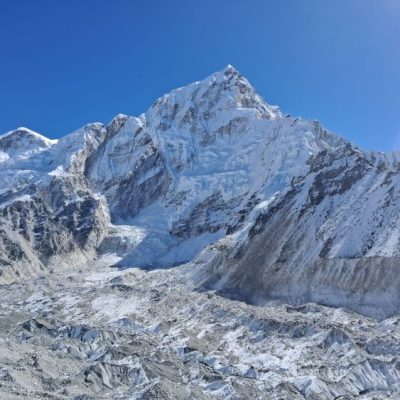
The Everest View Trek is a popular Short trekking route in the Everest region of Nepal, offering stunning views of the world’s highest peaks, including Mount Everest (known as Sagarmatha in Nepali) itself. This trek is ideal for those who want to experience the beauty of the Himalayas without committing to the more strenuous and lengthy Everest Base Camp trek.
One of the highlights of the Everest View Trek is the opportunity to experience Sherpa culture firsthand, as trekkers interact with local villagers and learn about their traditions and way of life. The trek usually takes around 7 to 10 days to complete, depending on the itinerary and pace.
The 7 Day Everest View Trek typically begins with a scenic flight from Kathmandu to Lukla, where the trekking adventure commences. The route passes through picturesque Sherpa villages, rhododendron forests, and high-altitude landscapes. Along the way, trekkers often visit famous viewpoints like Namche Bazaar, Tengboche Monastery, and Khumjung Village, where they can enjoy panoramic views of Everest and other towering peaks.
Overall, the Everest View Trek offers a memorable journey into the heart of the Himalayas, providing awe-inspiring scenery and cultural encounters along the way. It’s a fantastic option for trekkers of varying experience levels who want to witness the majesty of Everest up close.
Highlight Of Everest View Trek 7 Days ?
- Sunrise and Sun Set Views of World Tallest peak Mt. Everest (8848m), and numerous others
- Short and Easy Trek ideal for travelers who want Everest scenery without a long high-altitude trek
- Visit The Tengboche Monastery, the largest monasteries in the Everest region ( Live there more than 35 Monks
- Amazing Panoramic mountain scenery including Ama Dablam, Lhotse, Nuptse, Thamserku, and Kongde
- Closely observe the unique culture and lifestyle of the legendary Sherpa people
- Hiking through of World Heritage Sites of Nepal listed by UNESCO Sagarmatha National Park
- Rhododendron and pine forests, especially beautiful during spring
Who Can Take This Everest View Trek?
The Everest View Trek is perfect for families, friends and senior travelers who wants to experience the beauty of the Himalayas without undertaking a long or difficult trek. It offers an opportunity to explore Colorful Sherpa culture, traditional mountain villages, and stunning views of Mount Everest and other Himalayan peaks.
This trek is ideal for travelers looking for a short and easy Himalayan trek. You can enjoy the fresh mountain air, taste delicious local food, experience Sherpa hospitality, and walk through beautiful mountain landscapes with spectacular views of the Himalayas.
Best Time for Everest View Trek
Out of the 12 months in a year, there are three specific months in Nepal that offer fantastic weather conditions for trekking. The ideal time for Everest View Trek is during the spring season, which starts from March and continues till May.
Another excellent period for Everest view trekking is during autumn, which typically spans from the end of September to mid-December. Surprisingly, winter can also be a favorable time to go trekking in Nepal; it extends from December to February. However, it’s important to note that the harshest weather conditions occur during peak winter months (December to February).
During the monsoon period in Nepal, which occurs from June to August, there is a significant amount of rainfall. This can make the trail slippery and obstruct views of the Himalayas. However, trekking is still possible during this time.
The best time for Everest trek is during Autumn (September-December) and Spring (March-May). Winter trekking to Everest view point is also feasible, although temperatures can drop to extreme levels. Despite the cold and snowy conditions, the weather during these months is generally excellent. If you choose to trek during winter, it is recommended that you bring warm clothing and a sleeping bag for overnight stays.
Accommodation on Everest View Trek
The Everest region is renowned for its Sherpa communities, who inhabit the areas. When venturing on the Everst trekking trail, one will encounter numerous Sherpa villages. Throughout this teahouse trek, you will hop from one village to another for your overnight stays. Along the way, there are several stopovers such as Lukla, Phakding, Namche Bazaar, and Tengboche that offer a variety of teahouses.
Everest trek accommodation is provided in these traditional teahouses. These structures resemble mountain lodges found in the European Alps and provide basic lodging facilities to trekkers. Each teahouse typically has twin beds with comfortable foam mattresses along with pillows and quilts for a good night’s rest. To keep guests warm during chilly nights or mornings, Bukhara stoves are commonly found in the dining areas of these lodges. Hot water shower facilitieis are available at an additional cost while wifi services can also be accessed for an extra charge.
Meals and Drinks On Everest View Hiking
We will Provide 3 meals a day during The trek. These meals consist of breakfast at the hotel before starting the trek, lunch during a designated rest stop, and dinner at the night’s destination. The food options available during the trek are diverse and include popular Nepali dishes such as Daal Bhaat, which consists of rice, lentils, soup, vegetable curry, and pickle.
In addition to these traditional dishes, teahouses along the route offer a wide range of cuisines from Chinese and Indian to Italian and French. Visitors can enjoy noodles, mashed potatoes,french fries,pies,pasta,cutlets,and other options in most places. It is important to inform us about your meal preferences so that we can accommodate them accordingly.
We understand that food choices are personal and varied; therefore we strive to provide a variety of options to cater to individual tastes while maintaining quality standards throughout your trekking experience on Everest.
Physical Requirements for Everest View Trek
The Short Everest view Trekking encompasses a range of elevations, starting at 2800 meters at Lukla and reaching up to 3860 meters at the Tyangboche monastery.. The varying altitude levels of this trek contribute to its moderate level of difficulty. Individuals undertaking this journey must be mentally and physically prepared.
Our trek entails walking for 5-7 hours each day on challenging terrain consisting of mud and rocks. Additionally, we will spend three days above the 3000-meter mark.
To ensure a successful trekking experience, it is recommended that you commence your fitness training at least one month prior to your travel date. We advise focusing on cardio exercises such as cycling, using the treadmill, jogging, and hiking in order to enhance your stamina and lung capacity. Furthermore, endurance training activities like weight liting and sprinting can aid in strengthening muscles which is crucial for completing this traverse successfully.
The difficulty of Everest View Trek depends on an individual’s fitness level. It may prove arduous for beginner trekkers but relatively easier for those with previous experience. Therefore, it is always preferable to be in excellent physical condition in order to enjoy a comfortable trekking adventure
Everest View Trek Cost
The cost of Everest View Trek begins at $1,025 per person. The package price varies depending on number of participants who book together. We offer discounts if you book in groups.
For solo trekkers, the package is priced at $1,300 per person. However, if you trek in a group, the price per person becomes more affordable. For example, for a group of 12 people, the Everest View Trek package is available at the discounted rate of just $1025 per person. The final price depends completely on your group size.
This package includes three meals a day throughout the trek, tea or coffee, necessary trekking permits, domestic flight tickets, tea house accommodation and support of a trekking guide and a porter.
If you choose any add ons or customization the overall Everest View Trek price may vary slightly depending on group size, accommodation preferences, travel season and any additional services.
Last-minute booking
Last minute booking for the Everest View Trek is possible with Adventure Great Himalaya. Usually, early booking is recommended for trekking journeys in Nepal especially during the spring and autumn trekking seasons.
When you book the trekking package in advance, there is a better chance of securing Lukla flights, helicopter services and best accommodation. Early booking provides more time to prepare your itinerary. However, even if you decide to trek at short notice and are looking for a company for last minute booking then our team is ready to assist you.
We will try our best to arrange permits, accommodation and transportation. So, if you are in Nepal and wish to join the Everest View trek adventure at last minute, please contact us. We will check available options and help you get your trek organized in the shortest possible time.
Everest View Trek- 7 Days Itinerary
Cost Include/Exclude
What’s include
- Meals In Trekking: 3 Times meals a day (Breakfast, Lunch and Dinner) during the trek.
- Hot Drinks – Tea / Coffee with Meals
- Trekking Permit and All necessary paper works.
- Domestic Flight ticket: Flight ticket Kathmandu / Lukla / Kathmandu.
- Accommodation in Trekking: All accommodations in lodges/tea houses during the trek.
- Trekking Guide: An experienced, helpful, friendly and Good English speaking guide
- Trekking Porter– Carry your bag pack ( 1 porter for 2 members) No Porter for Solo Trekkers
- Trekking Equipment: Sleeping bag, down jackets, Duffie bag and walking stick, if necessary ( Refundable after trek)
- Company T-shirt and Trekking map.
- Medical supplies (first aid kit will be available)
- All government taxes and service charge.
What’s excluded
- Personal Travel Insurance
- All the Bar bills and personal expenses (phone call, laundry service, battery recharge, Extra hot drinks
- All the expenses from Out of our control such as flight delay, cancels, landslide etc,
- Tips and donation
Add -Ons
Accommodation with Private Bathroom– Hot Shower – USD 240 Per room
Extra Porter -USD 120 per porter
Kathmandu to Lukla or Lukla Kathmandu Helicopter– USD 500 per person Sharing Helicopter
More Info
Essential Safety Tips for the Everest View Trek
- Listen to your body. Monitor any symptoms like headaches, dizziness, excessive tiredness or lack of appetite. Notify your guide if you experience any of the symptoms right away.
- Dress in Layers to adjust the clothing based on the real time weather. The high altitude Himalayan weather can change quickly. So, make sure to pack layered clothing (base layers, insulated mid layers, and outer layers to stay warm, comfortable and well prepared for changing weather conditions.
- Trek gradually. A comfortable pace gives your body enough time to adapt to the altitude gain.
Treat water before drinking. Don’t drink untreated water from natural sources directly. Use purification tablets or opt for boiled water in teahouses. - Stay hydrated. Hydration regulates body temperature and will also help you cope better with high altitude.
Take rest when needed. Do not overexert yourself. - Have nutrient rich and balanced meals. Do not skip meals. Also, pack some high energy snacks for a quick recharge between meals.
Walk only through the designated paths. Follow the advice provided by your trekking guides. - Check the real time weather. Your guide and lodge owner can get information about the real trail conditions through their connections. So, make sure to follow their advice about when to start, continue and when it is safer to turn back.
Popular Landmarks During the Everest View Trek
Lukla Airport
The Tenzing-Hillary Airport, often referred to as Lukla Airport (2,860 m), is the primary entry point to the Everest region of Nepal. For many popular trekking journeys in the Everest region such as the Everest View Trek or the Everest Base Camp Trek, this airport serves as the starting point.
It is known for its 527 meter runway, steep 11.7% gradient and beautiful surrounding mountain terrain. The Lukla flights usually take off from Kathmandu but in peak trekking season, the flights are also operated from Ramechhap.
Flights to Lukla highly depend on the mountain weather. Usually, flights are operated only when the weather is clear and safe. Fog and poor visibility can affect flight schedules sometimes causing delays or cancellations.
Lukla Airport is a very important stop in the Everest region. The high altitude location and short runway of the airport make landing and taking off difficult. So, it is considered as one of the most challenging airports in the world.
Namche Bazaar
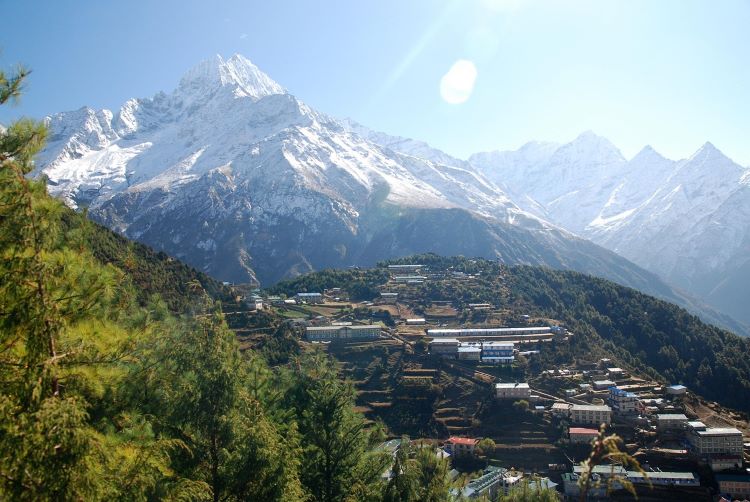
Namche Bazaar, which lies at an elevation of 3,440 meters, is a vibrant town in the Everest region. It is surrounded by some of the most impressive Himalayan summits. It is one of the most popular stops in the Khumbu region, which is visited by several trekkers, mountaineers and traders.
In the past, Namche was among the major trading centers linking Nepal and Tibet. Today, it is a bustling mountain town with all sorts of facilities. There are several restaurants, cozy lodges, cafes, bakeries, banks and trekking shops in this Himalayan town.
It is a main tourist attraction of the Khumbu region. However, it still has managed to preserve its unique culture and Sherpa traditions. Moreover, it offers impressive sights of the surrounding mountains from several viewpoints. Usually, most of the trekkers stay for a day in Namche for acclimatization prior to moving up to higher altitudes during Everest region treks.
During the Everest View Trek too, you will stay here and also get to explore several local attractions, including monasteries, the Sherpa Museum and the colorful local market.
Hotel Everest Hotel
The Hotel Everest View is located within Sagarmatha National Park at an elevation of approximately 3,880 m above Namche Bazaar. It is a popular stop on the Everest View Trek and many other treks in the Khumbu region. It is known for its wonderful location and scenic views of snowy mountains.
The hotel was constructed in 1971 by a group of Japanese builders and has been accommodating trekkers for many years. Trekkers walk up to the hotel during their acclimatization hike from Namche Bazaar.
From the hotel’s balcony, visitors can see stunning views of Lhotse, Everest, Ama Dablam, Thamserku and Kongde Ri. Many visitors choose to visit this hotel for breakfast, lunch or a coffee break.
Likewise, during the Everest Base Camp Helicopter Tour too the helicopter lands here and travelers can enjoy a wholesome breakfast while enjoying the views. For those who wish to stay longer at this wonderful place, overnight accommodations are also available.
Khumjung Village and Hillary School
Khumjung is a beautiful traditional Sherpa village located in Nepal’s Everest region at an elevation of 3,790 meters. Located amid the amazing Himalayas, the village is situated within Sagarmatha National Park.
The village attracts travelers with its serenity, the local stone houses, and the unique roofs that look amazing against the surrounding hilly backdrop. Khumjung Village also has the ancient Khumjung Monastery which is known for having a scalp of a Yeti, attractinh several travelers from around the world.
Another significant landmark in this area is Hillary School, established back in 1961 by Sir Edmund Hillary’s Himalayan Trust. This school was built in the Everest region to educate local Sherpa children. It features modern classrooms, a computer lab, science labs, and the Sir Edmund Hillary Visitor Centre.
Tengboche Monastery
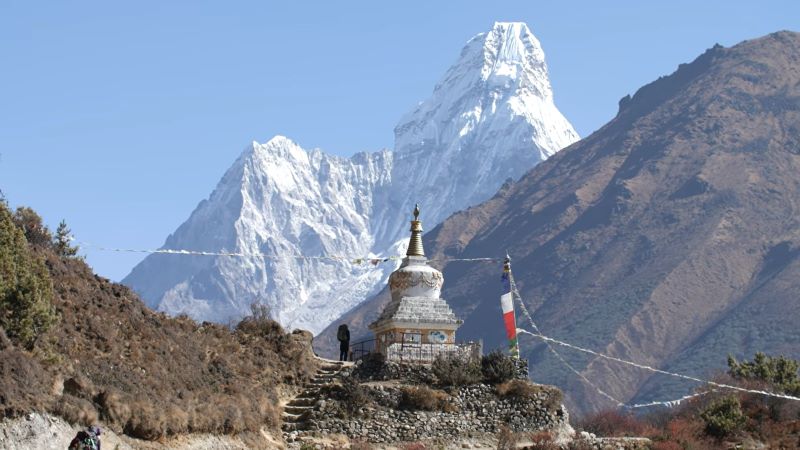
Tengboche Monastery is the most significant cultural and religious heritage of the Everest region. This gompa, located at an altitude of 3,867 meters in Tengboche village, is the largest Buddhist monastery in the Khumbu region. It is also the cultural center of the Sherpas in the area.
You will be in Tengboche on the fourth day of this trek. It is one of the important sites that are visited during the Everest View Trek and other adventures in the Everest region.
The monastery offers stunning views of the famous snowy peaks of the Himalayas such as Tawache, Everest, Ama Dablam, Lhotse, Nuptse and Thamserku. It is also known for Mani Rimdu Festival that includes traditional Buddhist prayers and masked dances.
Everest View Trek Weather, Temperature and Season
Winter (December to February)
The winter season is usually calm and fewer trekkers join Everest View trek at this time. During the winter season, temperatures at lower sections can range between 0°C and 5°C during the day while nighttime temperatures can drop significantly. At higher sections, it may even fall to -10°C or even lower.
Though the winter weather may be cold, the season provides clear skies for trekking as there is no cloud cover and monsoon haze. The winter scenery of the Himalayas also looks ethereal.
During this season, fresh snow might cover the trail, and some sections of higher sections could be icy. So, caution is required while traversing.
Also, sometimes the Lukla flight can be delayed due to winter fog and high winds. But then again, the serenity brought by the low crowds on the trails can make the winter trek worth the effort. However, you must check the weather and confirm routes are safe to traverse with your guides before heading out.
The cold temperatures, shorter days, and potential flight delays to Lukla can make winter Everest View Trekking relatively challenging. However, as the highest altitude of this trek is not extreme compared to other destinations, it can actually be an amazing time for well-prepared trekkers.
Autumn (September to November)
The autumn season is ideal for the Everest View Trek because of the stable weather conditions, moderate temperatures, and clear views of the mountains. It is the post monsoon season. As rain washes away the dust and pollution, the weather becomes clear, visibility improves and you can get to admire incredible and sharp views of Everest and the other Himalayan peaks.
The daytime temperature in autumn is comfortable for trekking. The morning and evening temperatures may drop as the elevation rises but the nightime cold is manageable with the right clothing.
The temperature during day in lower villages ranges between 8°C and 15 °C. At night time, it can drop to -1°C and lower, especially at higher areas of the route.
The trekking paths in autumn months are mostly dry and well defined making navigation easy and smooth. During this period, the villages and teahouses receive numerous trekkers and the trail is vibrant and full of energy.
The navigation at this time can be truly comfortable with minimal likelihood of heavy rains or snowy winters. The trek can be completed in your intended time without any kind of disruptions. All these factors make this season stand out as the most preferred time for the Everest View Trek.
Spring (March to May)
The spring season is also a great time for undertaking the Everest View Trek. The temperatures gradually rise after a cold winter during this period and the weather becomes pleasant for trekking and exploration.
The daytime temperature in this month is around 9°C to 14 °C. However, at night time, the temperature can drop between -2°C and 0 °C. As month progresses, the temperature gradually rises.
The landscapes in spring season are vibrant. The rhododendrons and other wildflowers can be seen on hillsides and forested regions. Views of the mountain ranges are also clear especially in the morning.
Furthermore, trekking paths are well defined, making navigation comfortable and joyful. You can also meet many fellow trekkers and mountaineers in the Everest region at this time and get to experience the vibrant atmosphere.
Spring season provides longer daylight hours. So, you will get plenty of time to walk, explore villages, enjoy the views and take stunning snapshots without feeling rushed. The weather is mostly stable with sunny days, which lets you traverse comfortably without any kind of interruption.
Rewarding trekkers with mild weather, extended daylight and enchanting mountain views, spring stands out as excellent time for exploring the Everest region.
Monsoon (June to August)
The monsoon season offers an entirely different side to the Everest Region. In monsoon, rainfall is frequent. So, hillsides and vegetation turn deep green. The number of trekkers is also much lower in this season and you can ensure a peaceful walk. But heavy downpours can turn the paths wet, muddy and slippery. Also, clouds and haze may block mountain views.
In this season, the lower elevations are sunny and warm. However, higher sections are still on the colder side. The daytime temperatures can range between 15°C and 20 °C. But the nights can still be chilly, with temperatures dropping up to 3 °C.
In addition, there may also be leeches present on the forested path, adding to the discomfort. Those planning to trek during this season must prepare carefully. Weather monitoring should be done regularly.
Likewise, trekkers should carry reliable waterproof clothing, rain cover, high quality trekking shoes and insect repellent. Also, monsoon weather can disrupt flights to and from Lukla. So, having two or three extra days in your itinerary is essential at this time for unexpected delays.
Everest View Trek Preparation
Preparing for the Everest View Trek makes the trek enjoyable and safe. Start your preparation few weeks prior to the trek. To prepare physically, you may do cardio exercises such as walking, hiking, jogging and cycling. Likewise, include uphill walking and strength training exercises like deadlifts, squats and planks to prepare yourself for the adventure.
In addition, to stay comfortable throughout the journey make sure to equip yourself with comfortable trekking shoes, warm clothing, raincoat, gloves, sunglasses, and sunscreen. Even though this trek does not involve extreme high altitude, you still have to give your body time to adjust. So, you should walk slowly and stay hydrated.
Likewise, carry your medications and get travel insurance. Before departing Kathmandu ensure that you have packed all necessary essentials. By preparing adequately, this adventure through Himalayan terrain and Sherpa settlements can be completed smoothly.
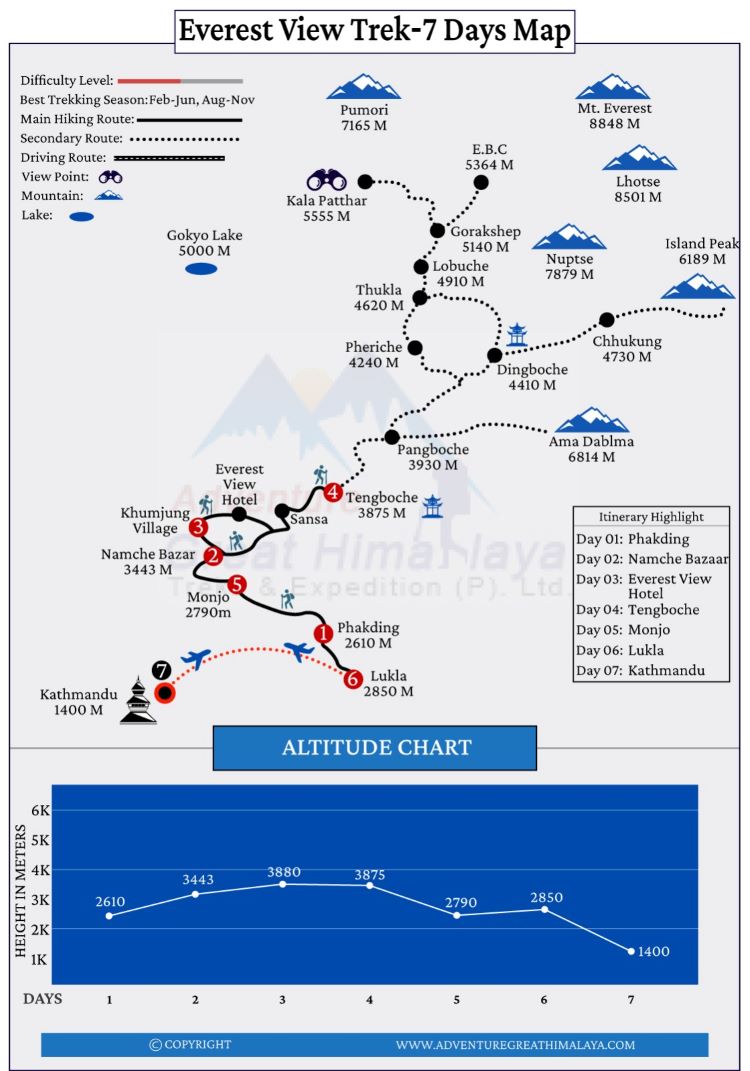
Trip Map
×
Frequently Asked Questions
Reviews of Everest View Trek
Salt Lake City, Utah
Amazing This Trip Everest Sunrise View Trek-10 Days
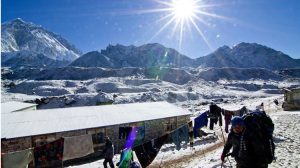
I'm finding it hard to put into words how amazing this trip was. We did the Everest Sunrise trek and it was unbelievable!!!!!!! Babu organized everything and his Company is…
View
More
Guimaraes, Portugal
wounder full Trip- Everest Sunrise View Trek
My dream become true with Trekking in Everest Himalaya. I want give big thank to mr Babu that arrange perfectly my 5 Days Everest Sunrise view trek. I enjoy very…
View
More
You May Like This